Scrambled Eggs Recipe
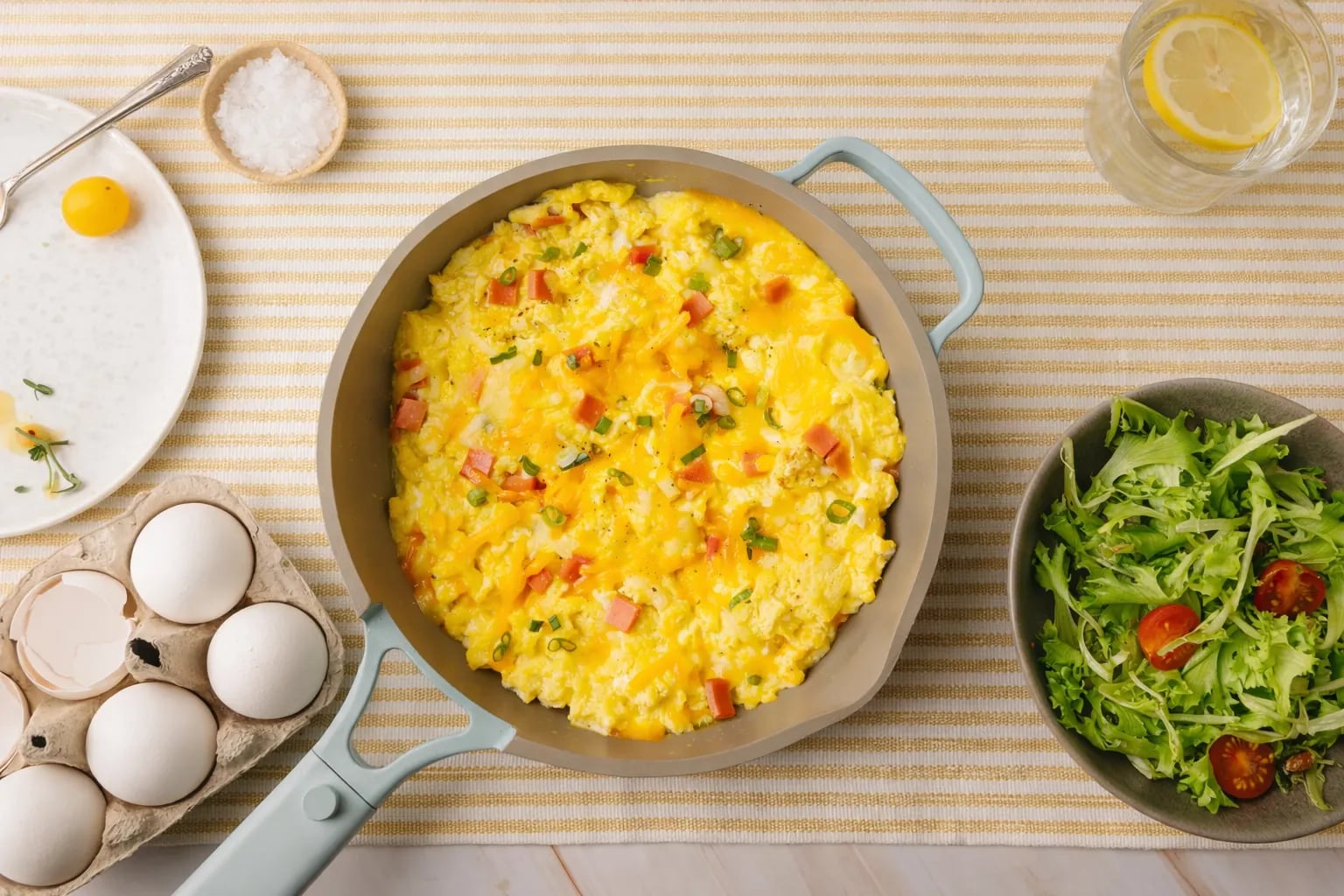
This Scrambled Eggs Recipe produces the softest, creamiest, most luxurious eggs you have ever tasted. Ready in just 10 minutes, it uses a simple low and slow technique that transforms four humble eggs into something truly extraordinary. Moreover, it works perfectly every single time.
 Breakfast
If you have ever wondered why your Scrambled Eggs Recipe does not turn out like the ones served at a great brunch restaurant, the answer almost certainly comes down to one thing — heat. This Scrambled Eggs Recipe teaches you the correct technique from the very beginning. Furthermore, once you master it, you will never go back to rubbery, overcooked eggs again.
Additionally, scrambled eggs are one of the most versatile breakfast dishes in existence. They pair beautifully with so many other morning favorites. For more great breakfast ideas, explore our crispy Bacon and Sausages Recipe, our classic Bagels with Cream Cheese and our full Breakfast collection.
Why This Scrambled Eggs Recipe Is Different
Most people cook scrambled eggs on high heat and stir them constantly. As a result, they end up with firm, dry, rubbery curds in under two minutes. This Scrambled Eggs Recipe takes the opposite approach. Moreover, it uses low heat and gentle, patient folding rather than aggressive stirring. Consequently, the eggs cook slowly and stay soft, creamy and luxuriously silky throughout.
The Science Behind Perfect Scrambled Eggs
Eggs are delicate. Their proteins set at relatively low temperatures. Therefore, gentle heat is essential for keeping them tender. High heat causes the proteins to contract too quickly. On the other hand, low and slow heat allows them to set gradually into large, soft, pillowy curds with a creamy, almost custard like texture.
Furthermore, removing the pan from the heat slightly before the eggs look fully done is the most important technique in this recipe. The residual heat in the pan continues cooking the eggs for another 30 seconds. As a result, they finish perfectly rather than overcooking into something dry and unpleasant.
Why You Will Love This Scrambled Eggs Recipe Ready in just 10 minutes · Only 5 simple ingredients · Soft, creamy and deeply satisfying · Perfectly scaled for 2 generous servings · Works as a standalone breakfast or full spread addition · Endlessly customizable with toppings and mix insIngredients for the Best Scrambled Eggs
This Scrambled Eggs Recipe uses just five core ingredients. Each one plays a specific role in creating that perfect texture and flavor:
- Large fresh eggs — The freshest eggs you can find produce the most flavorful result. Room temperature eggs also cook more evenly than cold eggs straight from the fridge.
- Butter — Unsalted butter is the best fat for this recipe. It gives the eggs a rich, round flavor and helps prevent sticking without making the pan too hot.
- Cream or milk — A small splash adds extra creaminess. However, too much makes the eggs watery. One tablespoon per two eggs is the perfect ratio.
- Salt — Season after cooking rather than before. Salting raw eggs draws out moisture and can make the final result slightly watery.
- Black pepper — Freshly cracked black pepper adds a subtle warmth that complements the richness of the eggs beautifully.
Optional Add Ins and Toppings
One of the greatest things about a great Scrambled Eggs Recipe is how well it accepts additions. Here are the best options:
- Fresh chives — The most classic herb pairing. They add a mild onion flavor and a beautiful pop of color.
- Grated cheddar or gruyere — Stirred in at the very end off the heat for a gloriously melty, cheesy version.
- Smoked salmon — Draped over the finished eggs for an elegant and impressive brunch dish.
- Avocado — Sliced alongside for a creamy, healthy fat pairing that balances the richness of the eggs.
- Hot sauce or sriracha — A few drops on top for those who like a fiery morning kick.
- Sun dried tomatoes — Finely chopped and stirred in during the last minute of cooking for a sweet, intense burst of flavor.
How to Make This Scrambled Eggs Recipe
The method is simple. First, whisk the eggs with cream, pepper and a pinch of salt. Then, melt butter in a cold non stick pan and pour in the egg mixture. Next, cook over the lowest heat possible. Gently fold rather than stir. Finally, remove from the heat while the eggs still look slightly underdone. They will finish perfectly in the residual heat.
Furthermore, the full step by step method with exact quantities is available in the recipe card below. In addition, the tips section at the bottom of the card covers every key technique for consistent, perfect results every single morning.
What to Serve with Scrambled Eggs
This Scrambled Eggs Recipe pairs perfectly with a wide range of breakfast accompaniments. Here are our favorites:
- Our sizzling Bacon and Sausages for the ultimate full breakfast combination
- Our golden Bagels with Cream Cheese alongside for a satisfying and complete morning meal
- Buttered sourdough toast or thick cut white bread to scoop up every last creamy bit
- Sliced avocado with a squeeze of lemon juice and a pinch of chili flakes on the side
- Our crispy Garlic Bread Bites as a fun and indulgent dipping accompaniment
How to Store Scrambled Eggs
Scrambled eggs are best eaten immediately after cooking. However, leftovers can be stored in an airtight container in the refrigerator for up to 1 day.
Reheating Tips
To reheat, warm gently in a non stick pan over very low heat for 1 to 2 minutes. Stir occasionally. Moreover, add a small knob of butter or a splash of cream to restore the creaminess. On the other hand, avoid microwaving as it makes the eggs rubbery and releases excess moisture. Additionally, do not freeze scrambled eggs as the texture deteriorates completely upon thawing.
Easy Variations for This Scrambled Eggs RecipeCheesy Scrambled Eggs — Stir in a generous handful of grated cheddar or gruyere off the heat at the very end. It melts beautifully into the soft curds for an irresistible result.French Style — Use a double boiler method. Cook the eggs over a pot of simmering water on very low heat, stirring constantly for 8 to 10 minutes. The result is the silkiest, most luxurious scrambled eggs imaginable.
Spicy Version — Add finely diced jalapeno and a pinch of cayenne to the whisked eggs before cooking. Additionally, top with a drizzle of hot sauce and fresh coriander to serve.
Veggie Packed — Saute finely diced bell pepper, spinach and cherry tomatoes in the butter for 2 minutes before adding the eggs. As a result, you get a more substantial and colorful breakfast.
Truffle Scrambled Eggs — Finish with a few drops of truffle oil and shaved parmesan just before serving for an elegant and deeply indulgent version that tastes genuinely restaurant worthy.
In conclusion, this Scrambled Eggs Recipe proves that truly great food is often about technique rather than complexity. Therefore, master the low and slow method and you will have one of the most impressive breakfast skills in your repertoire. Browse more of our delicious breakfast recipes and let us know how your eggs turned out in the comments below!
Recipe card
Scrambled Eggs Recipe
Soft, creamy and perfectly cooked scrambled eggs using the low and slow technique. The best 10 minute breakfast you will ever make.
- Prep
- 3 mins
- Cook
- 5 mins
- Rest
- 1 min
- Total
- 10 mins
- Serves
- 2 People
- Course
- Breakfast
- Cuisine
- American
- Calories
- 220 kcal
Ingredients
0/8 ready · tap to tick off
Core Ingredients
Optional Toppings
Equipment
- Small non stick skillet
- Medium mixing bowl
- Silicone spatula or wooden spoon
- Whisk or fork
- Warm serving plate
- Measuring spoons
Method
Tap a step when it’s done.
Nutrition
Per serving · 2 eggs with butter and cream, no toppings
220
Calories
13g
Protein
1g
Carbs
18g
Total Fat
7g
Sat. Fat
0g
Fibre
1g
Sugar
310mg
Sodium
390mg
Cholesterol
* Nutritional values are estimates per serving based on 2 eggs with butter and cream. Adding cheese increases calories by approximately 60 kcal per serving. Using milk instead of cream reduces fat slightly.
Notes
- Always add salt after cooking rather than before. Salt draws moisture out of raw eggs. Consequently, it can make the finished eggs slightly watery if added to the whisked mixture beforehand.
- Room temperature eggs cook significantly more evenly than cold eggs. Take them out of the refrigerator 10 to 15 minutes before you plan to cook for consistently better results.
- A silicone spatula is the best tool for this recipe. It is flexible enough to fold gently without breaking the curds and soft enough to protect the surface of a non stick pan.
- This Scrambled Eggs Recipe serves 2 people using 4 eggs. To serve 1, simply halve all quantities. To serve 4, double everything and use a slightly larger pan. The technique remains identical.
- Scrambled eggs do not store or reheat particularly well. Therefore, they are always best made fresh and eaten immediately. If you must reheat, do so very gently in a pan with a small knob of extra butter.
Tips for success
- Use the lowest heat setting on your hob. This single adjustment makes the biggest difference between average and extraordinary scrambled eggs. Low and slow is the only way to achieve truly creamy results.
- Fold rather than stir. Stirring breaks the developing curds into small, firm pieces. Folding gently from the edges creates large, billowing, soft curds that are far more satisfying in texture.
- Never walk away from the pan. The whole cooking process takes just 4 to 5 minutes. Moreover, eggs can go from perfect to overcooked in under 30 seconds on even a low heat. Stay attentive throughout.
- Remove the pan from the heat earlier than you think is right. The eggs should still look slightly underdone and glossy when you take them off. They will finish perfectly in the residual heat of the pan.
- Warm your serving plate before plating. Scrambled eggs cool down very quickly. Furthermore, a warm plate keeps them at the perfect temperature for longer so every bite stays as good as the first.
- Use the freshest eggs available. Fresh eggs have firmer whites and more vibrant yolks. Consequently, they produce scrambled eggs with a richer color, more pronounced flavor and a noticeably better texture overall.