Guide
Health guide
Practical, evidence-based ideas for eating well and cooking smart, without fad diets, guilt or bland food.
Last updated October 22, 2026
About this guide
This guide helps you make better everyday choices about the food you cook and eat. It is built on simple, sustainable habits rather than strict rules, because healthy eating should be enjoyable.
Every section links back to our recipes, so you can put ideas into practice straight away. Healthy food does not have to be boring: some of the most nourishing meals are also the most delicious.
Eight principles of healthy eating
Eat a wide variety
No single food has everything you need. Variety gives you a broad range of vitamins and minerals.
Put vegetables first
Aim for at least five portions of fruit and vegetables a day, in as many colours as you can.
Choose lean proteins
Fish, poultry, eggs and legumes regularly, with oily fish at least twice a week.
Pick whole grains
More fibre, vitamins and minerals, and steadier energy than refined grains.
Stay hydrated
6 to 8 glasses of water a day. Thirst is often mistaken for hunger.
Limit added salt and sugar
Cooking from scratch cuts both. Herbs and spices add flavour without salt.
Be portion aware
Eat slowly and without screens so your body can tell you when it is full.
Cook at home more often
Home cooking gives you control over every ingredient and is linked to a better overall diet.
The five food groups
A balanced day includes all five groups. The proportions matter as much as the variety.
| Food group | What it does | Servings a day | Examples |
|---|---|---|---|
| Vegetables and fruit | Vitamins, minerals, fibre and antioxidants | 5 or more | Tomatoes, spinach, carrots, apples, berries |
| Whole grains | Energy, fibre, B vitamins and iron | 3 to 6 | Brown rice, oats, wholegrain bread and pasta |
| Protein | Muscle repair, enzymes and immunity | 2 to 3 | Chicken, fish, eggs, beans, lentils, tofu |
| Dairy and alternatives | Calcium, vitamin D and protein | 2 to 3 | Milk, yogurt, cheese, fortified plant milks |
| Healthy fats | Brain, hormones and vitamin absorption | Small amounts | Olive oil, avocado, nuts, seeds, oily fish |
Healthier cooking methods
How you cook changes how much fat a dish contains and how many nutrients survive.
Best for nutrition
- Grilling: fat drips away and flavour builds without extra oil
- Steaming: keeps the most vitamins and needs no fat
- Roasting and baking: concentrates flavour and brings out sweetness
- Poaching: gentle and fat-free for fish, eggs and chicken
- Stir-frying: fast, colourful and needs very little oil
Use less often
- Deep frying: adds a lot of fat and calories, so keep it for treats
- Shallow frying in lots of fat: a non-stick pan lets you use far less
- Boiling vegetables: washes out vitamins, so steam or roast instead
Everyday habits
Do more of this
- Eat vegetables at most meals
- Drink water with every meal
- Choose whole grains
- Cook from scratch when you can
- Eat oily fish twice a week
- Read ingredient labels
- Plan meals ahead
- Use herbs and spices generously
- Include beans and lentils
Do less of this
- Skipping breakfast
- Eating in front of a screen
- Sugary drinks
- Relying on ultra-processed food
- Salting food at the table
- Very large portions
- Heavy meals late at night
- Crash diets
- Over-cooking vegetables
A sample balanced week
A flexible example of a balanced week of home cooking, using recipes from our collection.
| Day | Breakfast | Lunch | Dinner |
|---|---|---|---|
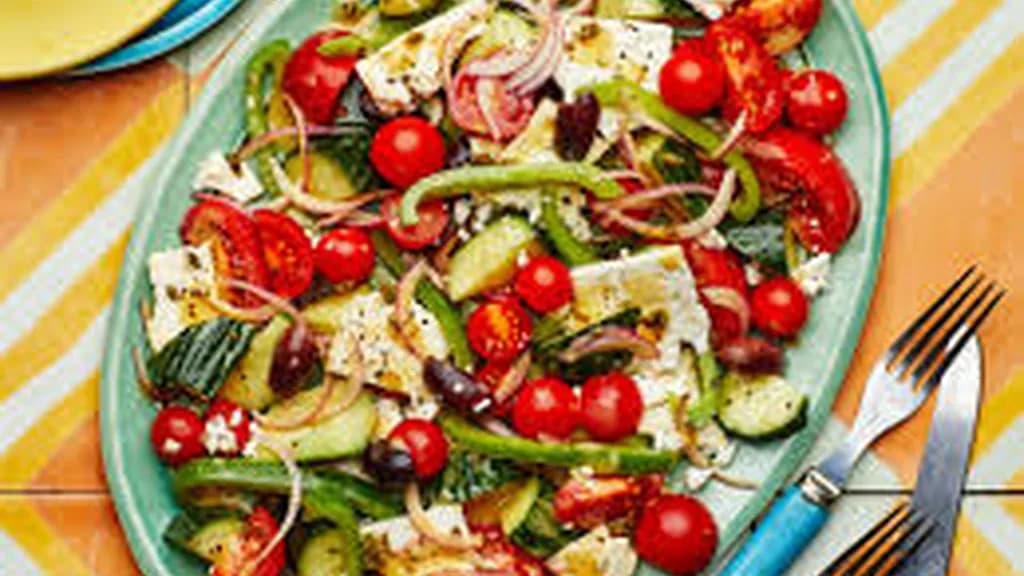
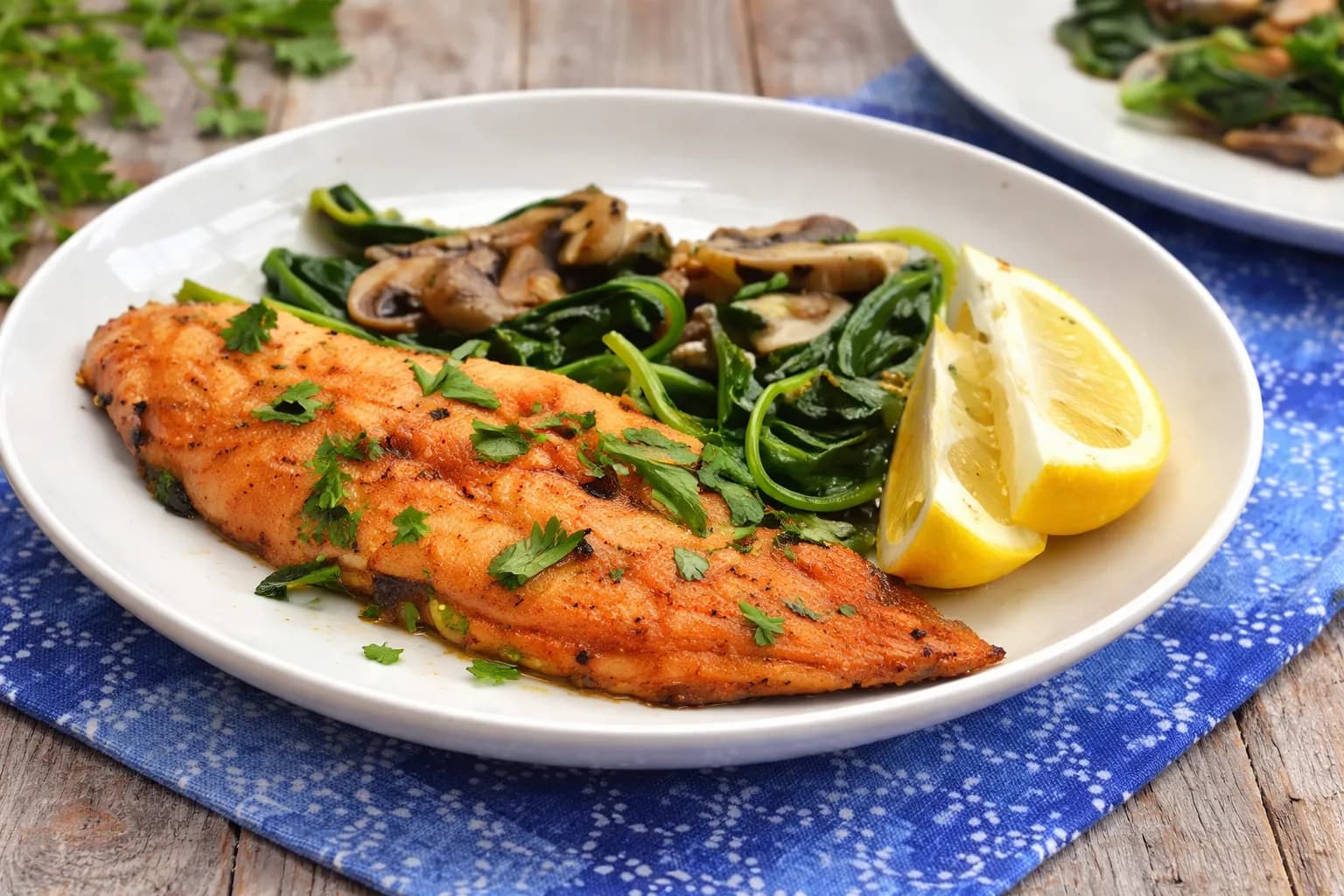
| Monday | Scrambled eggs on wholegrain toast | Greek salad with grilled chicken | Grilled fish with steamed vegetables |
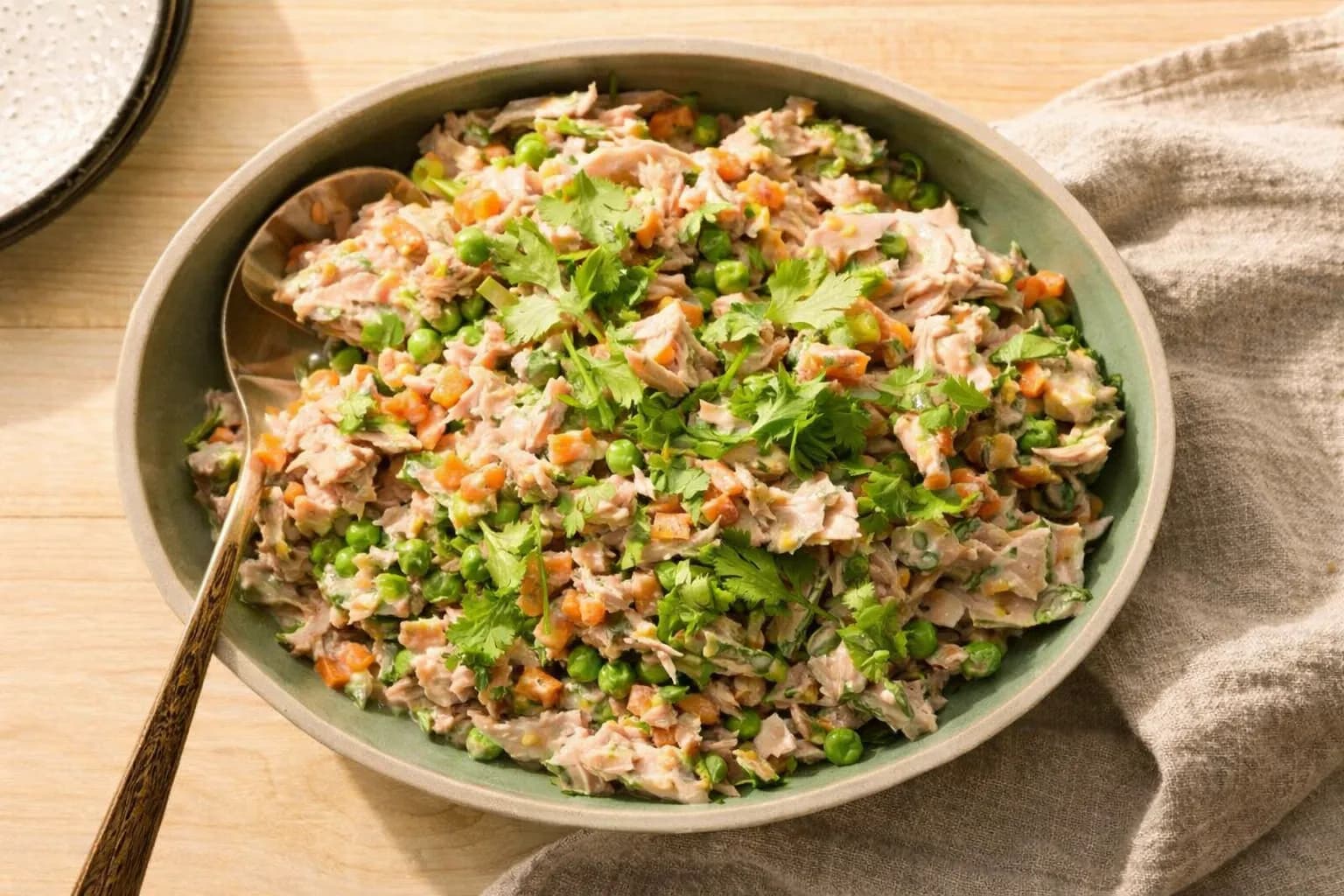
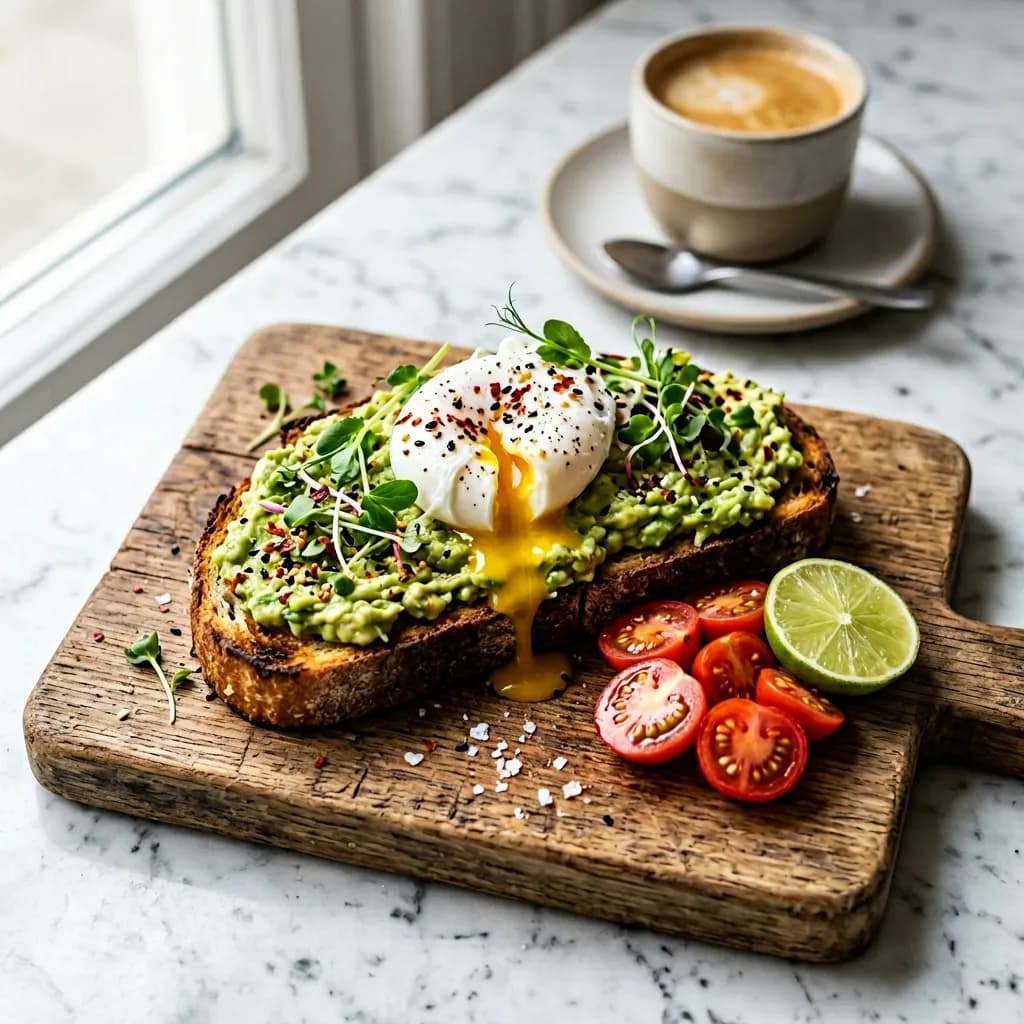
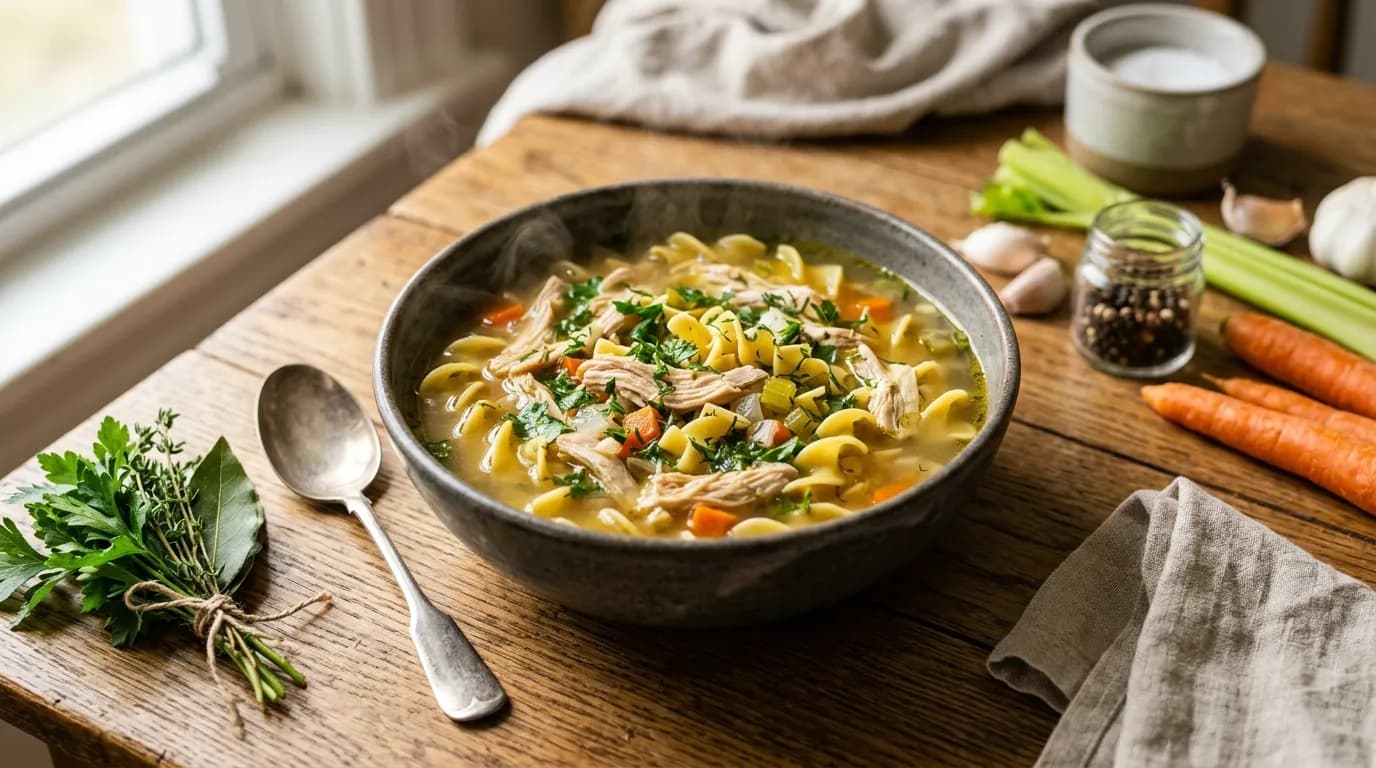
| Tuesday | Avocado toast with an egg | Tuna salad with wholegrain crackers | Chicken noodle soup |
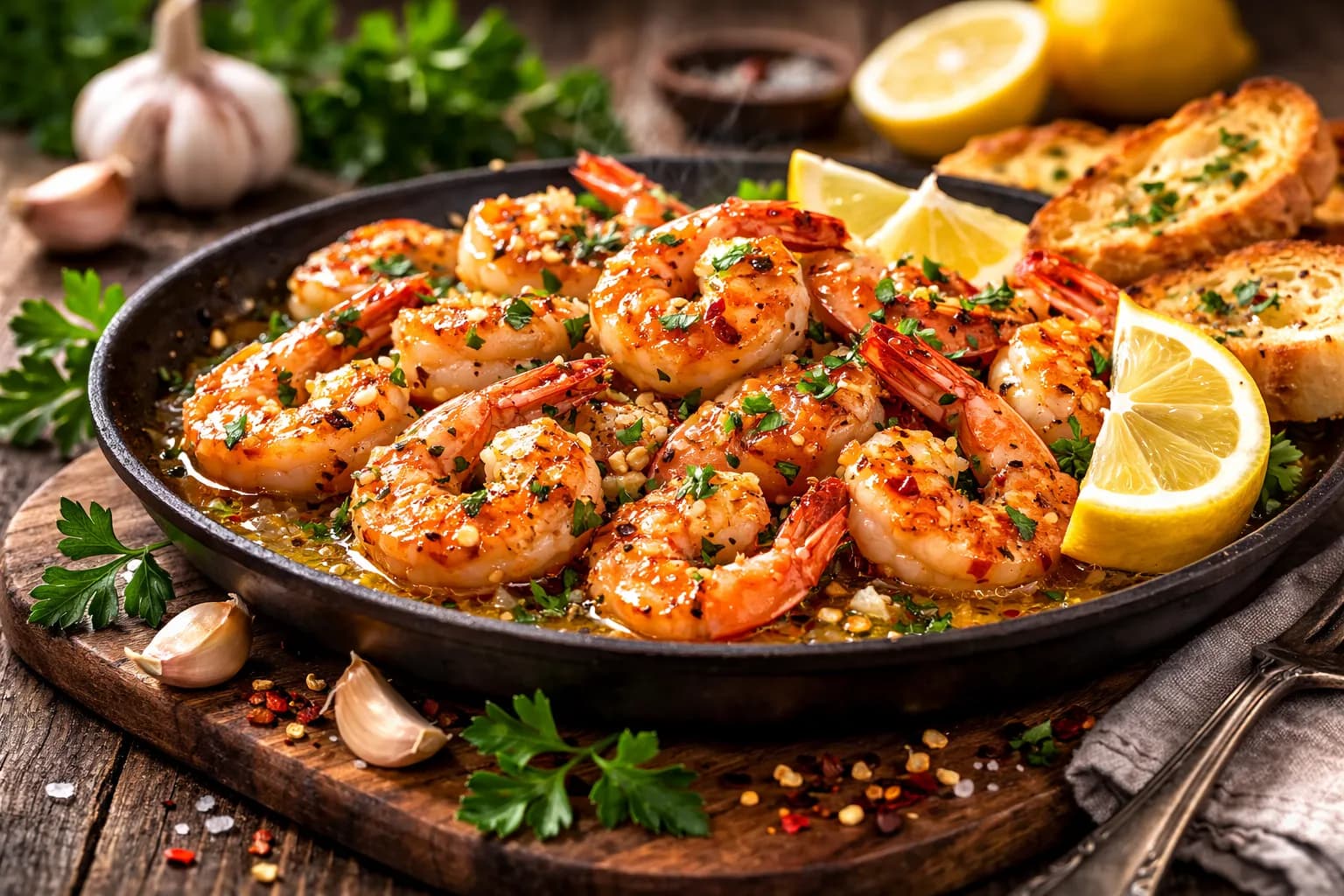
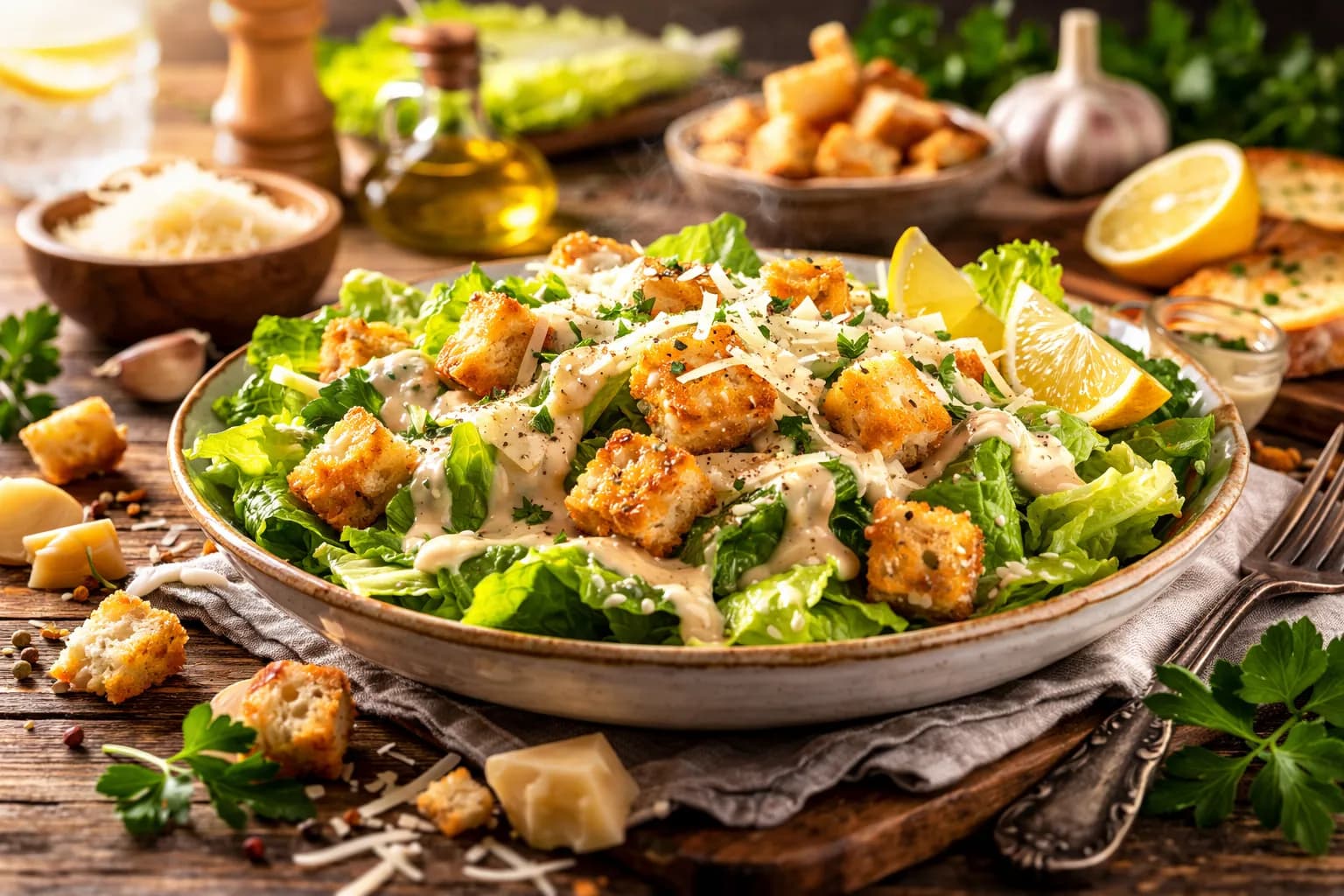
| Wednesday | Oats with fruit and nuts | Caesar salad with grilled chicken | Garlic butter shrimp pasta |
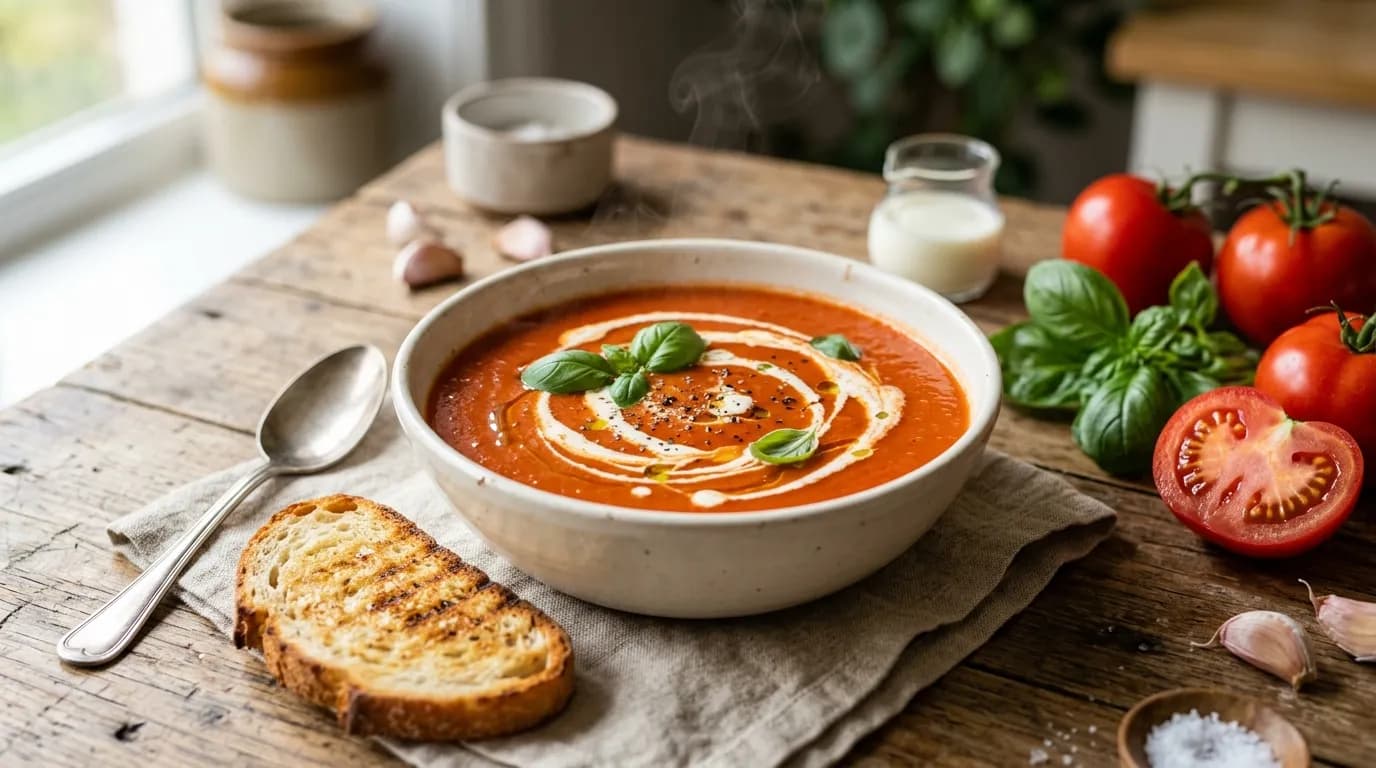
| Thursday | Pancakes with fresh berries | Tomato soup with a wholegrain roll | Beef stew with green vegetables |
| Friday | Bagel with cream cheese and smoked salmon | Veg spring rolls with salad | Fish and chips with peas |
| Saturday | Waffles with fruit and yogurt | French onion soup with sourdough | Fried chicken with Greek salad |
| Sunday | French toast with berries | Sloppy joe with a side salad | Mac and cheese with broccoli |
Smart swaps
- Brown rice, quinoa or cauliflower rice instead of white rice.
- Greek yogurt instead of sour cream or mayonnaise.
- Wholegrain pasta instead of white pasta.
- Avocado instead of butter on toast.
- Evaporated low-fat milk instead of heavy cream in soups and sauces.
- Herbs, lemon and spices instead of extra salt.
- The oven or air fryer instead of the deep fryer.
Healthy recipes to try
A note on balance
Healthy eating is not about perfection or cutting out the foods you love. A brownie enjoyed now and then is far better for your relationship with food than a cycle of restriction and guilt.
Health disclaimer
This guide is general information, not medical advice or a treatment plan. Please talk to a doctor or registered dietitian before making big changes to your diet, especially if you have a medical condition, allergy or special dietary needs.