Authentic Greek Salad Recipe (Horiatiki)
This authentic Greek Salad Recipe, also known as Horiatiki, is a fresh Mediterranean salad made with juicy tomatoes, crisp cucumber, red onion, green pepper, Kalamata olives and creamy feta cheese. Ready in 25 minutes with no cooking required.
 Salad
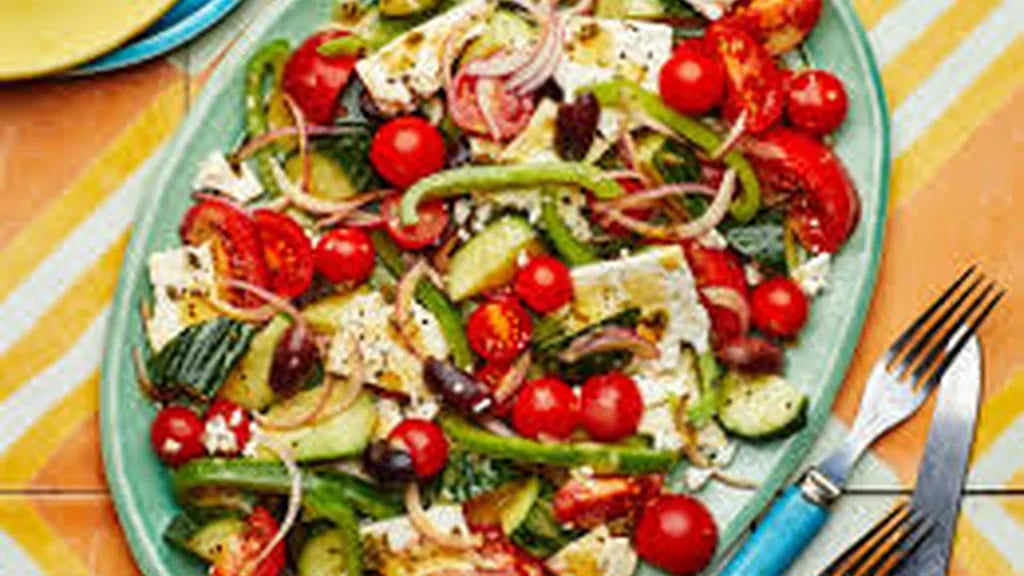
SaladThis authentic Greek Salad Recipe is a simple Mediterranean classic made with ripe tomatoes, crisp cucumber, red onion, green bell pepper, Kalamata olives and block feta. A drizzle of extra virgin olive oil, fresh lemon juice and dried oregano brings everything together.
Traditional Greek salad is called Horiatiki. Unlike many Western versions, authentic Horiatiki is made without lettuce. The vegetables are cut into large pieces and the feta is traditionally served as a block on top of the salad.
This easy Greek salad makes a refreshing side dish for grilled chicken, fish, shrimp or crusty bread. It is also delicious as a light vegetarian lunch.
What Is an Authentic Greek Salad?
Authentic Greek salad, or Horiatiki, is a traditional Greek salad made from fresh tomatoes, cucumber, green pepper, red onion, Kalamata olives and feta cheese. The salad is finished with extra virgin olive oil and oregano.
One of the biggest differences between traditional Greek salad and American-style Greek salad is that authentic Horiatiki does not contain lettuce. The vegetables are usually cut into large, rustic pieces rather than finely diced.
Why You'll Love This Greek Salad Ready in 25 minutes · No cooking required · Naturally vegetarian · Fresh Mediterranean ingredients · Great for lunch or as a side dish · Easy to prepare for a crowdIngredients for Greek Salad
Because Greek salad uses a small number of ingredients, choosing fresh, flavorful produce makes a big difference.
- Tomatoes: Use ripe, juicy tomatoes for the best flavor.
- Cucumber: English or Persian cucumbers work especially well because they are crisp and have thin skin.
- Red onion: Thinly sliced red onion adds a sharp, slightly sweet flavor.
- Green bell pepper: Use a fresh green pepper for traditional color and crunch.
- Kalamata olives: These briny Greek olives provide classic Mediterranean flavor.
- Block feta: Use feta packed in brine when possible. Traditional Greek salad is served with the feta as a block.
- Extra virgin olive oil: Use a good-quality olive oil because it forms the base of the dressing.
- Fresh lemon juice: Adds brightness to the salad.
- Dried oregano: Essential for the classic Greek flavor.
- Salt and black pepper: Season carefully because feta and olives are already salty.
How to Make Greek Salad
Making Greek salad is quick and simple. Cut the vegetables into large pieces, arrange them in a bowl, add the olives and feta, then finish with olive oil, lemon juice and oregano.
For the best flavor, let the assembled salad rest for about 10 minutes before serving. The tomato juices combine with the olive oil and oregano to create a naturally flavorful dressing.
Greek Salad Dressing
This Greek salad uses a simple dressing rather than a heavy creamy dressing. Combine extra virgin olive oil, fresh lemon juice and dried oregano with a little salt and black pepper.
You can mix the dressing separately in a small jar, or drizzle the ingredients directly over the vegetables. For an authentic-style salad, avoid overpowering the fresh vegetables with too much dressing.
What Makes This Greek Salad Authentic?
- No lettuce in the traditional Horiatiki version.
- Large, rustic pieces of fresh vegetables.
- Kalamata olives instead of generic black olives.
- Block feta rather than finely crumbled feta.
- Extra virgin olive oil and oregano.
- Fresh seasonal tomatoes are the main flavor.
What to Serve with Greek Salad
Greek salad works well with grilled meats, seafood, bread and other Mediterranean-inspired dishes.
- Serve it with Garlic Butter Shrimp for an easy seafood meal.
- Pair it with Garlic Bread Bites for a simple lunch or appetizer.
- Add it alongside grilled chicken, fish or steak.
- Serve it with hummus and pita as part of a Mediterranean spread.
- For another fresh option, try our Tuna Salad Recipe .
How to Store Greek Salad
Greek salad tastes best shortly after it is assembled. If you are preparing it ahead, store the chopped vegetables, dressing and feta separately and combine them shortly before serving.
Leftover assembled Greek salad can be refrigerated in an airtight container for up to 1 day. The vegetables may release additional liquid and become softer over time.
Greek salad is not suitable for freezing because cucumber and tomatoes lose their texture after freezing and thawing.
Greek Salad Variations
- Greek Salad with Chicken: Add sliced grilled chicken for extra protein.
- Greek Salad with Chickpeas: Add chickpeas to make the salad more filling.
- Vegan Greek Salad: Replace feta with a plant-based feta alternative.
- Greek Salad with Lettuce: Add romaine for a Western-style Greek salad.
Greek Salad Recipe FAQs
Is traditional Greek salad made with lettuce?
No. Traditional Greek salad, known as Horiatiki, is generally made without lettuce. It focuses on tomatoes, cucumber, green pepper, onion, olives, feta, olive oil and oregano.
What is an authentic Greek salad called?
Authentic Greek salad is called Horiatiki. It is a traditional village-style Greek salad made with fresh vegetables, olives, feta and olive oil.
What cheese is used in Greek salad?
Feta cheese is traditionally used in Greek salad. Block feta packed in brine is a good choice because it stays creamy and flavorful.
Can I make Greek salad ahead of time?
Yes. Chop the vegetables and prepare the dressing ahead of time, but keep them separate until shortly before serving for the best texture.
How long does Greek salad last in the refrigerator?
Assembled Greek salad is best eaten within one day. For better texture, store the vegetables, dressing and feta separately when preparing the salad in advance.
What do you serve with Greek salad?
Greek salad pairs well with grilled chicken, fish, shrimp, crusty bread, hummus, pita and other Mediterranean-style dishes.
More Salad Recipes Looking for more fresh recipes? Browse our Salad Recipes for more easy ideas, including our Classic Caesar Salad .Recipe card
Authentic Greek Salad Recipe (Horiatiki)
Traditional Horiatiki made with tomatoes, cucumber, Kalamata olives, feta and oregano. No cooking required.
- Prep
- 15 mins
- Rest
- 10 mins
- Total
- 25 mins
- Serves
- 6
- Course
- Salad
- Cuisine
- Greek
- Calories
- 195 kcal
Ingredients
0/11 ready · tap to tick off
Salad
Dressing
Equipment
- Sharp knife and cutting board
- Large salad bowl or serving platter
- Citrus juicer
- Measuring spoons
Method
Tap a step when it’s done.
Nutrition
Per serving · Per serving
195
Calories
6g
Protein
8g
Carbs
16g
Fat
2g
Fiber
* Nutritional values are estimates per serving and may vary depending on ingredients and portion sizes.
Notes
- Use ripe tomatoes and good-quality extra virgin olive oil because these ingredients provide much of the salad's flavor.
- Block feta packed in brine is preferable to pre-crumbled feta for a traditional presentation.
- The salad is best served soon after assembly while the vegetables are still crisp.
- Taste before adding extra salt because feta and Kalamata olives can already be quite salty.
Tips for success
- Cut the vegetables into large pieces for a rustic traditional Horiatiki-style salad.
- Use extra virgin olive oil with a fresh, fruity flavor.
- Let the assembled salad rest for about 10 minutes before serving.
- Keep the feta as a block on top if you want a more traditional presentation.
- Serve with crusty bread to enjoy the flavorful olive oil and tomato juices.