Pfeffernusse Cookies Recipe
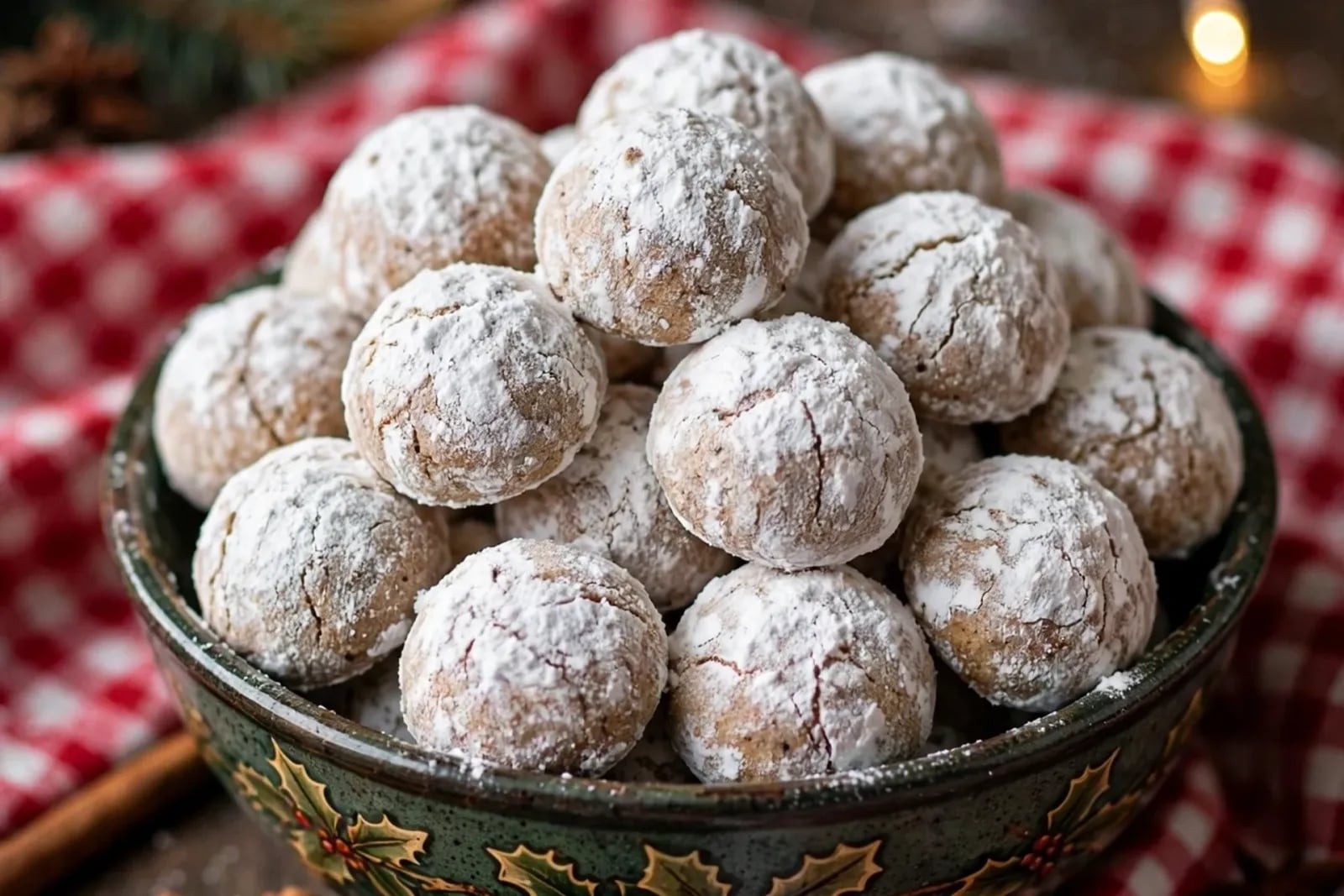
Pfeffernusse cookies are the spicy little German Christmas cookies that fill the house with the smell of cinnamon, ginger and black pepper. Soft, chewy and rolled in powdered sugar, they taste even better the next day. Bake a batch now and they will keep for weeks.
 Desserts
This Pfeffernusse Cookies Recipe makes the small, spicy German Christmas cookies that have been baked for centuries. Their name means pepper nut, and it fits: warm cinnamon, ginger and cloves meet a surprising pinch of black pepper, all wrapped in a soft, chewy cookie rolled in snowy powdered sugar. They keep for weeks, they ship well, and they taste even better a day or two after baking.
For more Christmas cookie favourites, try our Frosted Gingersnaps, our Cranberry Orange Shortbread Cookies and our Chewy Molasses Spice Cookies.
What Makes This Pfeffernusse Cookies So Good
The spice mix is what sets pfeffernusse apart from every other Christmas cookie. Cinnamon and ginger bring the warmth, cloves and allspice add depth, and the black pepper gives a gentle tingle at the back of the throat that makes people reach for a second cookie to figure out what they just tasted. It is a small surprise that makes the cookie memorable.
The texture is just as special. The dough rests overnight, which lets the spices bloom and the molasses deepen, and the cookies bake up soft and chewy with a fine, tender crumb. Rolled in powdered sugar while still warm, they come out looking like little snowballs, and the sugar coating keeps them moist for days.
The Key Ingredients
A short list of pantry spices builds the whole dish.
The Molasses and Honey
Dark molasses gives pfeffernusse their deep colour and their slightly bitter, caramel edge, while honey adds sweetness and keeps the cookies soft. Use unsulphured molasses, not blackstrap, which is too bitter. Warm the two together briefly so they blend smoothly into the dough.
The Spice Blend
Cinnamon, ginger, cloves, allspice and nutmeg form the warm base, and finely ground black pepper is the signature note. The pepper should be noticeable but never hot, so measure it carefully. Freshly ground spices make a real difference here, because the cookie is mostly spice and sugar.
The Butter and Egg
Softened butter creamed with brown sugar gives the cookies their tender crumb, and one egg binds the dough together. A spoonful of baking soda dissolved in a little warm water is the traditional leavening, and it gives the cookies their gentle rise and soft centre.
The Powdered Sugar Coating
Powdered sugar rolled onto the warm cookies melts slightly and clings, then sets into a snowy coat as they cool. A second roll once they are fully cool gives the thick, white finish that makes pfeffernusse look like snowballs. Keep a little extra sugar on hand for that second coat.
How to Make Pfeffernusse Cookies
The method is mostly waiting: mix, chill overnight, then roll and bake.
- Warm the syrups: heat the molasses and honey together until just warm and smooth.
- Cream the butter: beat the butter and brown sugar until light and fluffy.
- Add the egg: beat in the egg and the warm molasses mixture until combined.
- Mix the dry ingredients: whisk the flour, spices, baking soda and salt together.
- Combine the dough: stir the dry ingredients into the wet until a soft dough forms.
- Chill overnight: wrap the dough and refrigerate for at least 8 hours or up to 2 days.
- Roll and bake: roll into small balls, place on lined trays and bake at 350F for 10 to 12 minutes.
- Coat in sugar: roll the warm cookies in powdered sugar, then roll again once cool.
Mistakes to Avoid
Skipping the Overnight Chill
The chill is not optional. It lets the spices bloom into the dough, firms the butter so the cookies hold their shape, and deepens the molasses flavour. Cookies baked from unchilled dough spread flat, taste one dimensional and lose their chew. Plan ahead and let the dough rest.
Overbaking the Cookies
Pfeffernusse should be soft and chewy, not crisp. Pull them from the oven while they still look slightly soft in the centre, because they firm up as they cool. Overbaked pfeffernusse turn hard and dry, and no amount of powdered sugar will save them.
Forgetting the Second Sugar Roll
The first roll coats the warm cookie, but much of it melts into the surface. The second roll, once the cookies are fully cool, gives the thick snowy finish that defines the cookie. Skip it and the cookies look patchy and plain instead of festive.
What to Serve with Pfeffernusse Cookies
These spicy cookies love a warm drink and a place on the cookie tray:
- Mulled wine or spiced cider, for a warming pairing
- Hot coffee or black tea, to balance the sweetness
- A Christmas cookie platter, beside gingersnaps and shortbread
- Vanilla ice cream, crumbled over the top for dessert
Make It Your Own
The recipe welcomes small changes. Add a pinch of cardamom for a Scandinavian touch, fold in finely chopped candied ginger for extra bite, or dip half of each cooled cookie in dark chocolate instead of the second sugar roll. For a boozy version, brush the warm cookies with a little rum before rolling them in sugar.
Make This Pfeffernusse Cookies Today
Warm spice, a whisper of pepper and a snowy sugar coat make these the Christmas cookies people remember. Mix the dough tonight, bake them tomorrow, and share them all season. Browse more of our Desserts recipes for more festive bakes.
Recipe card
Pfeffernusse Cookies Recipe
- Prep
- 25 mins
- Cook
- 12 mins
- Total
- 8 hrs 40 mins
- Serves
- 36
- Course
- Dessert
- Cuisine
- German
- Calories
- 85 kcal
Ingredients
0/16 ready · tap to tick off
Equipment
- Mixing bowls
- baking sheets
- parchment paper
- cling film
Method
Tap a step when it’s done.
Nutrition
85 kcal
Calories
1 g
Protein
15 g
Carbs
3 g
Total Fat
0 g
Fibre
8 g
Sugar
55 mg
Sodium
* Per serving. Values are estimates.
Notes
- The dough must chill overnight for the best flavour.
- Use dark molasses, not blackstrap, for the right balance.
- Roll the cookies small, as they spread slightly.
- The cookies taste better the day after baking.
- Store in an airtight tin for up to 3 weeks.
Tips for success
- Measure the black pepper carefully, it should tingle, not burn.
- Keep the dough cold while rolling so the cookies hold shape.
- Pull the cookies while still soft in the centre.
- Roll in sugar twice for the snowy finish.
- Freeze the dough balls for up to 3 months and bake from frozen.
- Add 1 minute to the bake time if baking from frozen.