Cottage Cheese Flatbread Recipe
This viral flatbread is the real deal: blended cottage cheese and flour bake into a soft, golden, protein-packed base that folds without cracking. Load it with your favorite toppings for an easy lunch, or tear it up for dipping, with no yeast and no kneading required.
 Healthy
This Cottage Cheese Flatbread Recipe is the viral bake that converted the sceptics: blended cottage cheese and flour bake into a soft, golden, protein packed base that folds without cracking. Load it with your favourite toppings, or tear it up for dipping, with no yeast and no kneading required.
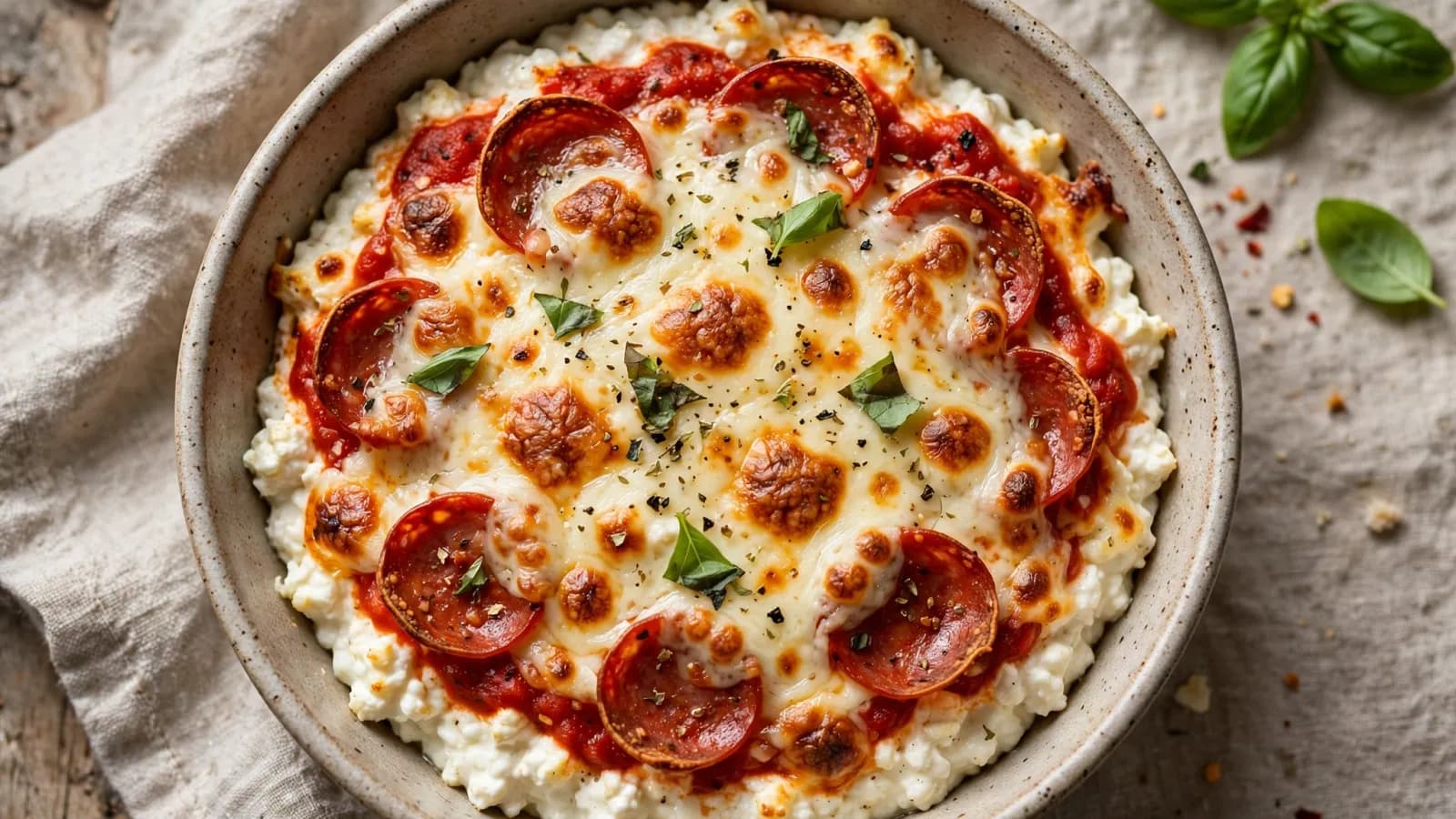
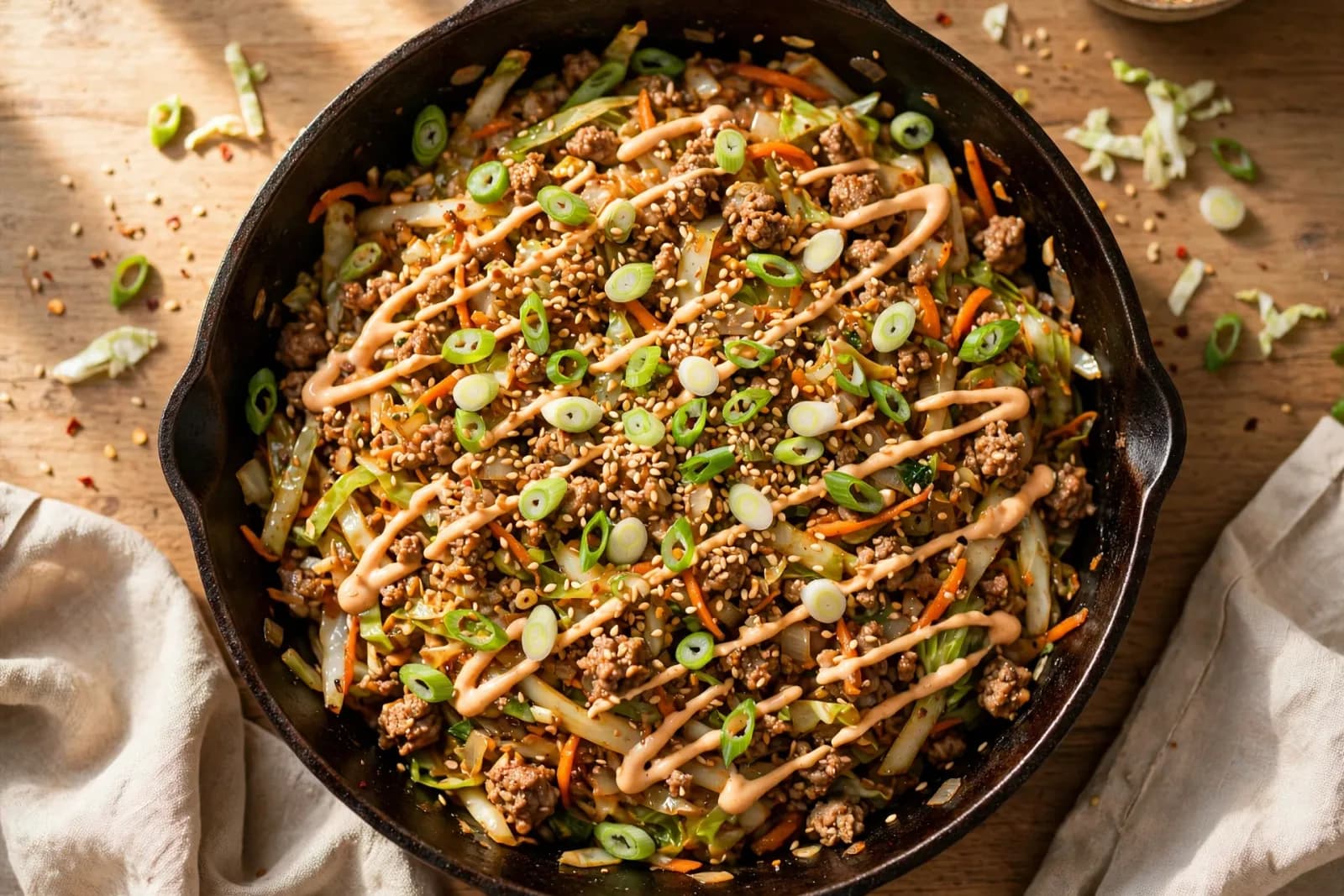
For more easy favourites, try our Cottage Cheese Pizza Bowl, our Egg Roll in a Bowl and our Banana Bread.
What Makes This Cottage Cheese Flatbread So Good
Cottage cheese has had quite the comeback, and this flatbread is the recipe that converted the sceptics. The concept sounds like a social media gimmick (blend a tub of cottage cheese into flour and call it bread?) but the results are genuinely convincing: a soft, golden flatbread with a tender chew, lightly crisped edges and roughly double the protein of anything you would pull from a bakery bag. A whole flatbread with the tomato and basil topping carries about 38 grams of protein, which turns a simple lunch into something that actually keeps you full until dinner.
The method works because of two quiet pieces of food science. Blending the cottage cheese completely smooth removes the curds, so instead of pockets of moisture you get an even, hydrated dough that bakes up with a uniform crumb. The texture falls somewhere between a naan and a soft pizza crust, sturdy enough to hold toppings and pliable enough to fold around them without cracking, which makes it as good for wraps as it is for flatbread pizza night.
The Key Ingredients
With a list this short, every ingredient choice shows up in the finished bread.
Cottage Cheese
Whole milk cottage cheese gives the richest flavour and the most tender crumb, while 2% is a solid middle ground; fat free versions work but bake up a touch drier. Letting the cottage cheese sit at room temperature for fifteen minutes before blending helps it purée completely smooth, since cold curds resist the blades.
Baking Powder
Baking powder does the lifting that yeast would normally handle, which is why there is no proofing, no kneading and no waiting around. It is the reason this dough goes from bowl to oven in minutes and bakes up puffed at the edges and light in the middle.
The Flour
All purpose flour is the reliable standard, though bread flour adds a slightly chewier pull. A spoonful of grated Parmesan whisked into the dry ingredients is a quiet upgrade nobody will object to, and a really good olive oil brushed over the top earns its keep here as well.
How to Roll and Bake a Perfect Base
The base takes under ten minutes in the oven, and a few small habits keep it soft and foldable:
- Blend for 30 to 60 seconds: keep going until there are no curds left; this is what gives the bread its even texture.
- Rest the dough for 5 minutes: the flour hydrates in this time and the dough becomes much easier to roll.
- Roll to about 1/4 inch thick: divide the dough in half and roll each piece into an oval on a floured surface.
- Bake the base first: 8 to 10 minutes at 400°F (200°C), until puffed at the edges and lightly golden, before any topping goes on.
Mistakes to Avoid
Leaving Curds Unblended
Any unblended curds leave wet pockets in the dough that make the baked flatbread gummy. Blend longer than you think you need to; the mixture should look completely smooth, like a thick batter.
Topping a Raw Base
Wet toppings on unbaked dough are a guaranteed soggy middle. Always bake the base first, and pat tomato slices dry before they go on, so the centre stays tender rather than wet.
What to Serve with Cottage Cheese Flatbread
The tomato, mozzarella and basil topping in this version channels a margherita, but treat the base as a blank canvas:
- Margherita style, with mozzarella, tomato, Parmesan and torn basil, as written
- Torn into strips for dipping, alongside tomato soup, hummus or whipped feta
- As a breakfast flatbread, with a fried egg and a pinch of chili flakes on top
Make It Your Own
The base travels well beyond dinner. Rolled thinner, it becomes a wrap sturdy enough for chicken Caesar filling or falafel with hummus; rolled thicker, it stands in for naan alongside curries and stews. Mini rounds make individual pizzas that kids love topping themselves, and a sweet turn (a smear of ricotta and honey, a handful of berries, a dusting of cinnamon) turns the same dough into a brunch worthy treat. Stirring different seasonings into the flour, Italian herbs, everything bagel seasoning or a little smoked paprika, changes the personality of the bread without changing the method. No oven? Cook each rolled flatbread in a dry, lidded skillet over medium heat for about 3 minutes per side, then add toppings, cover and cook 2 more minutes to melt the cheese.
Make This Cottage Cheese Flatbread Today
If you have been sceptical of the cottage cheese trend, let this be the recipe that changes your mind. It tastes like bread because, in every way that matters, it is bread, just built smarter. One warm bite (soft middle, golden edges, sturdy enough to fold) tends to settle the argument. Browse more of our Healthy recipes and tell us how yours turned out.
Recipe card
Cottage Cheese Flatbread Recipe
A soft, flexible high-protein flatbread made from just blended cottage cheese and flour, ready for all your favorite toppings.
- Prep
- 10 mins
- Cook
- 15 mins
- Total
- 25 mins
- Serves
- 4 People
- Makes
- 2 flatbreads
- Course
- Healthy
- Cuisine
- American
- Calories
- 285 kcal
Ingredients
0/11 ready · tap to tick off
For the flatbread
For the tomato-basil topping
Equipment
- Blender or food processor
- Mixing bowl
- Rolling pin
- Baking sheet with parchment paper
Method
Tap a step when it’s done.
Nutrition
Per serving · 1 serving (1/4 of the recipe)
285 kcal
Calories
19 g
Protein
31 g
Carbs
9 g
Total Fat
4 g
Sat. Fat
2 g
Fibre
4 g
Sugar
590 mg
Sodium
* Estimated values per serving, calculated from the ingredients.
Notes
- Baked bases keep for three days in the fridge; re-crisp them in a dry skillet or the air fryer rather than the microwave.
- Bake a double batch ahead and you have high protein lunches on standby all week; one serving (half a flatbread) has roughly 19 g of protein.
- A 1:1 gluten free flour blend works well; the dough is slightly more delicate, so roll it between parchment sheets and handle it gently.
- Cottage cheese brands vary a lot in moisture, so judge the dough by feel rather than by the cup.
- The bases can be cooked without an oven: a dry, lidded skillet over medium heat, about 3 minutes per side, then topped and covered for 2 more minutes.
Tips for success
- Blend until truly smooth: any unblended curds leave wet pockets that make the baked flatbread gummy.
- Rolling between two sheets of parchment keeps the soft dough from sticking without adding lots of extra flour.
- Always bake the base before adding wet toppings like tomato or sauce; it is the best insurance against a soggy middle.
- If the dough feels very wet and sticky, knead in extra flour one tablespoon at a time, and dust your hands well.
- Change the flavour by stirring Italian seasoning, everything bagel seasoning or smoked paprika into the flour.
- Rest the dough for 5 minutes before rolling; hydrated flour rolls out easily instead of springing back.