Cheesecake Recipe
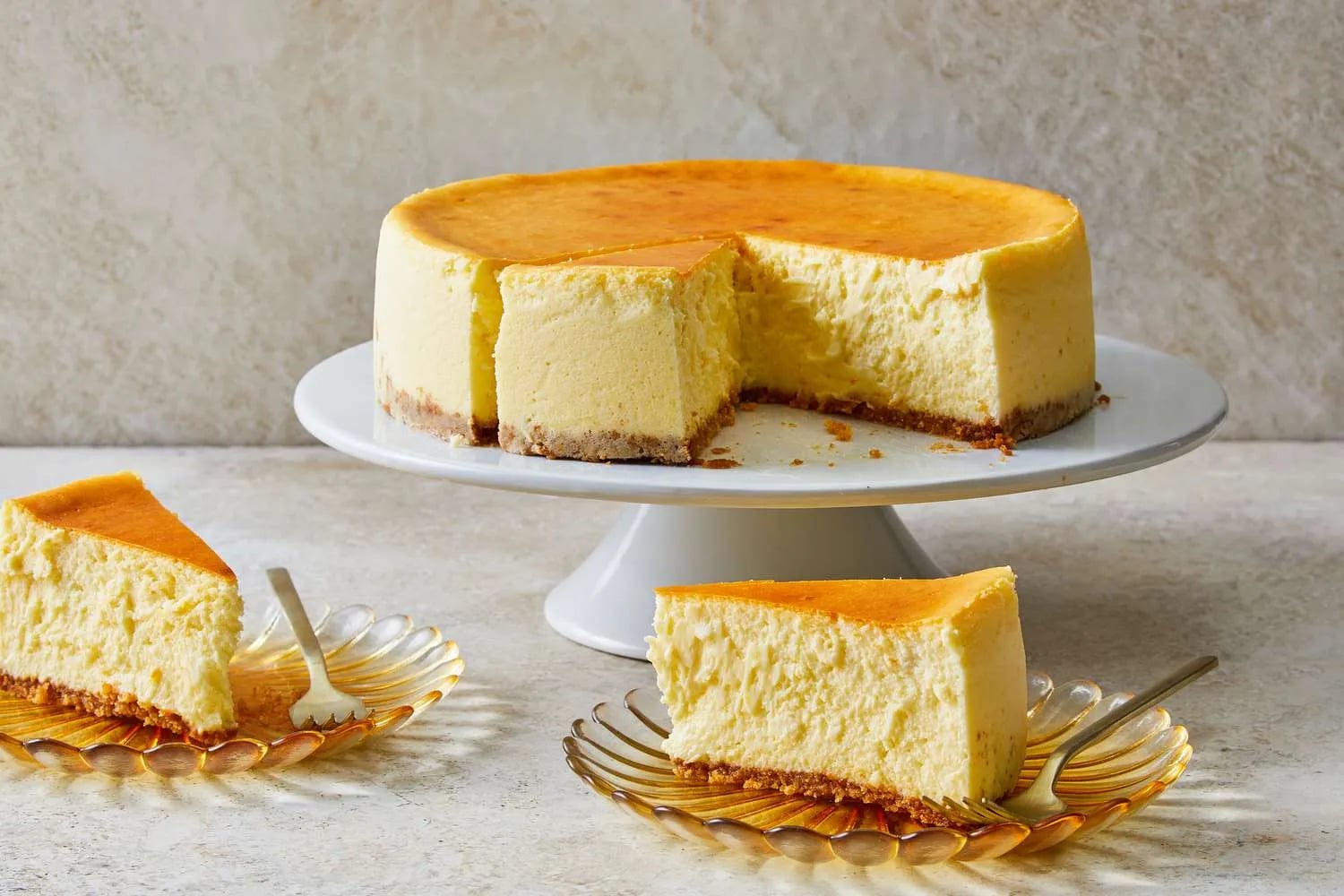
This Cheesecake Recipe produces a gloriously rich, silky smooth and perfectly set dessert every single time. A buttery digestive biscuit base, a luxuriously creamy cream cheese filling and your choice of topping. Furthermore, it is far easier to make than you think!
 Desserts
This classic Cheesecake Recipe makes a rich, creamy dessert with a buttery biscuit crust and smooth cream cheese filling. Baked gently in a water bath and chilled overnight, it has a silky texture and a beautifully set center.
Whether you are making cheesecake for a birthday, dinner party or weekend dessert, this homemade version is simple to prepare with everyday ingredients. Follow the tips below for a smooth cheesecake with a golden crust and fewer cracks. For more delicious dessert inspiration, explore our full Desserts collection and our beautiful Apple Pie Recipe.
Why You Will Love This Cheesecake Recipe
- Creamy and rich texture — Every slice is silky smooth, deeply indulgent and perfectly set from edge to center.
- Buttery biscuit crust — A golden, compact base made from just three ingredients that holds together beautifully when sliced.
- Easy step by step instructions — Clear method with tips to help avoid the most common cheesecake mistakes.
- Great for birthdays and special occasions — Impressive enough for any celebration yet achievable for any home baker.
- Can be prepared a day ahead — In fact, cheesecake tastes even better after a full overnight chill in the refrigerator.
- Freezes well for later — Individual slices wrapped and frozen keep beautifully for up to 2 months.
Baked vs No Bake Cheesecake Recipe
There are two main types of cheesecake. Understanding the difference helps you choose the right approach for your occasion.
A baked cheesecake uses eggs in the filling. It is baked in the oven at a low temperature. As a result, it has a denser, firmer and more custard like texture. Furthermore, it develops a slightly golden top and a deeper flavor. This recipe focuses on the baked version, which is considered the most classic and impressive style.
A no bake cheesecake, on the other hand, uses whipped cream or gelatine to set the filling. It is lighter and airier in texture. Moreover, it requires no oven time at all. Consequently, it is a great option when you are short on time or do not want to use the oven.
The Biscuit Base Ingredients
The base of this Cheesecake Recipe is simple. It uses just three ingredients. However, getting the proportions right makes all the difference.
- Digestive biscuits or graham crackers — The foundation of the crust. They provide a satisfying crunch and a lightly sweet, buttery flavor.
- Unsalted butter — Binds the crumbs together and gives the base its rich, golden character.
- Caster sugar — Optional but adds a pleasant sweetness and helps the base hold together.
The Cream Cheese Filling Ingredients
The filling is where this Cheesecake Recipe truly shines. Each ingredient plays a specific and important role:
- Full fat cream cheese — Always use full fat. Low fat versions contain more water and produce a looser, less flavorful filling.
- Caster sugar — Dissolves more easily than regular sugar and creates a smoother, more uniform filling.
- Large eggs — Provide structure and help the filling set during baking.
- Sour cream — Adds a subtle tang and a silky smooth texture. Additionally, it makes the top of the cheesecake beautifully glossy.
- Vanilla extract — Always use pure vanilla extract rather than imitation for the best flavor.
- Lemon zest — Optional but highly recommended. It cuts through the richness and makes the cheesecake taste fresher and more vibrant.
How to Prevent Cracks in Your Cheesecake
Cracks are the most common cheesecake problem. They happen for a few key reasons. Understanding each one helps you avoid them completely.
First, overmixing the batter incorporates too much air. As a result, the filling puffs up during baking and then sinks and cracks as it cools. Mix on the lowest speed and stop as soon as everything is combined.
Second, overbaking causes the edges to set and contract while the center is still soft. Consequently, cracks appear across the top. Remove the cheesecake when the center still has a gentle wobble. It will set completely during chilling.
Third, cooling too quickly creates thermal shock. On the other hand, leaving the cheesecake in the turned off oven with the door slightly ajar for one hour allows it to cool very gradually. Furthermore, this eliminates almost all risk of cracking entirely.
How to Make This Cheesecake Recipe
The process has three stages. First, you make and press in the biscuit base. Then, you mix and pour the cream cheese filling. Finally, you bake, cool slowly and chill overnight. The full step by step method is in the recipe card below.
Best Toppings for Cheesecake
One of the greatest joys of this Cheesecake Recipe is the variety of toppings you can use. Here are our favorites:
- Fresh strawberries and berry compote — The most classic and universally loved cheesecake topping. The fresh fruit cuts through the richness beautifully.
- Blueberry sauce — Warm blueberries with sugar and lemon juice create a jammy, gorgeous deep purple topping that looks stunning on the pale cheesecake.
- Salted caramel — Drizzled over the top for a rich, indulgent and deeply satisfying sweet and salty combination.
- Chocolate ganache — Pour warm ganache over the chilled cheesecake for a luxurious chocolate topped version that feels genuinely decadent.
- Lemon curd — Spread a thin layer over the top for a bright, tangy and beautiful citrus variation.
- Plain with whipped cream — Sometimes the simplest approach is the best. A cloud of lightly sweetened whipped cream lets the cheesecake itself be the star.
How to Store Cheesecake
This Cheesecake Recipe stores beautifully. Keep it covered in the refrigerator for up to 5 days. The flavors actually deepen and improve after the first day. Therefore, it truly is the perfect make ahead dessert.
Can You Freeze Cheesecake?
Yes, cheesecake freezes extremely well. Wrap individual slices tightly in plastic wrap. Then place them in a freezer bag and freeze for up to 2 months. Moreover, thaw overnight in the refrigerator rather than at room temperature. Consequently, the texture remains smooth and creamy rather than grainy or watery upon defrosting.
Easy Variations for This Cheesecake RecipeNew York Style — Use a higher ratio of cream cheese to sour cream and bake in a water bath for the densest, creamiest and most iconic version of all.Chocolate Cheesecake — Melt 150g of dark chocolate and fold it into the cream cheese batter before pouring it over the base. Additionally, top with chocolate ganache for a truly indulgent result.
Lemon Cheesecake — Add the zest and juice of 2 lemons to the filling and top with a generous layer of lemon curd for a bright and refreshing citrus version.
No Bake Version — Replace the eggs with 300ml of whipped double cream folded into the cream cheese mixture. Chill for a minimum of 6 hours rather than baking.
Mini Cheesecakes — Press the biscuit base into a muffin tin, fill each cup with the cream cheese batter and bake for 18 to 20 minutes for individual portions perfect for parties and gatherings.
In conclusion, this Cheesecake Recipe is one of those truly special desserts. It is impressive enough for a birthday, a dinner party or a celebration. However, it is also simple enough to make on an ordinary weekend just because you feel like it. Browse more of our stunning dessert recipes and share your cheesecake results in the comments below!
Recipe card
Cheesecake Recipe
A rich and creamy classic baked cheesecake with a golden buttery biscuit base. Perfectly set, deeply indulgent and ideal for any occasion.
- Prep
- 20 mins
- Bake
- 55 mins
- Chill
- Overnight
- Total
- 1 hr 20 mins
- Serves
- 10 Slices
- Course
- Dessert
- Cuisine
- American
- Calories
- 420 kcal
Ingredients
0/11 ready · tap to tick off
The Biscuit Base
The Cream Cheese Filling
To Serve
Equipment
- 23 cm springform cake tin
- Large mixing bowl
- Electric hand or stand mixer
- Large roasting tin (water bath)
- Oven thermometer
- Pastry brush
- Sharp knife for slicing
- Measuring spoons and scales
Method
Tap a step when it’s done.
Nutrition
Per serving · 1 of 10 slices, without topping
420
Calories
7g
Protein
32g
Carbs
30g
Total Fat
18g
Sat. Fat
0g
Fibre
22g
Sugar
280mg
Sodium
115mg
Cholesterol
* Nutritional values are estimates per slice based on 10 portions with no added toppings. Adding fruit compote or caramel will increase sugar and calories. Values vary depending on specific cream cheese brand.
Notes
- All refrigerated ingredients must be at room temperature before you begin. Cold cream cheese does not mix smoothly. Consequently, it produces a lumpy filling with small unmixed pieces of cream cheese running through it.
- Do not overmix the batter at any stage. Overmixing incorporates excess air into the filling. As a result, the cheesecake puffs up dramatically during baking and then sinks and cracks as it cools.
- The water bath is not optional for a crack free result. It provides gentle, humid heat that cooks the cheesecake evenly and prevents the edges from setting and contracting before the center has time to cook through.
- The cheesecake must chill for a minimum of 6 hours. Overnight is always preferred. Therefore, plan ahead and make it the day before you need it. The flavor and texture both improve significantly after a full overnight chill.
- This Cheesecake Recipe makes 10 generous slices. It keeps covered in the refrigerator for up to 5 days or frozen in individual slices for up to 2 months. Thaw overnight in the refrigerator before serving.
Tips for success
- Take all ingredients out of the refrigerator at least 1 hour before you begin. Room temperature ingredients combine much more smoothly. Furthermore, they produce a more even, lump free filling with a better final texture.
- Mix on the absolute lowest speed your mixer allows throughout the entire filling preparation process. Speed is the enemy of a smooth, crack free cheesecake. Low and slow is always the correct approach.
- Press the biscuit base firmly and evenly into the tin. Use a flat bottomed glass to really compact it. Consequently, the base holds together cleanly when sliced rather than crumbling and falling apart.
- Check the oven temperature with a separate thermometer. Many ovens run hot or cool by 10 to 20 degrees. An oven that runs too hot causes the cheesecake to crack and overbake before the timer goes off.
- Run a thin knife around the edge of the cheesecake as soon as it comes out of the oven. This releases the edges from the tin immediately and prevents them from pulling and cracking as the filling contracts during cooling.
- Dip your slicing knife in a mug of hot water and wipe it clean between every single cut. Moreover, this produces perfectly clean, smooth and professional looking slices every time rather than a crumbled, dragged mess.