Red Wine Braised Pot Roast Recipe
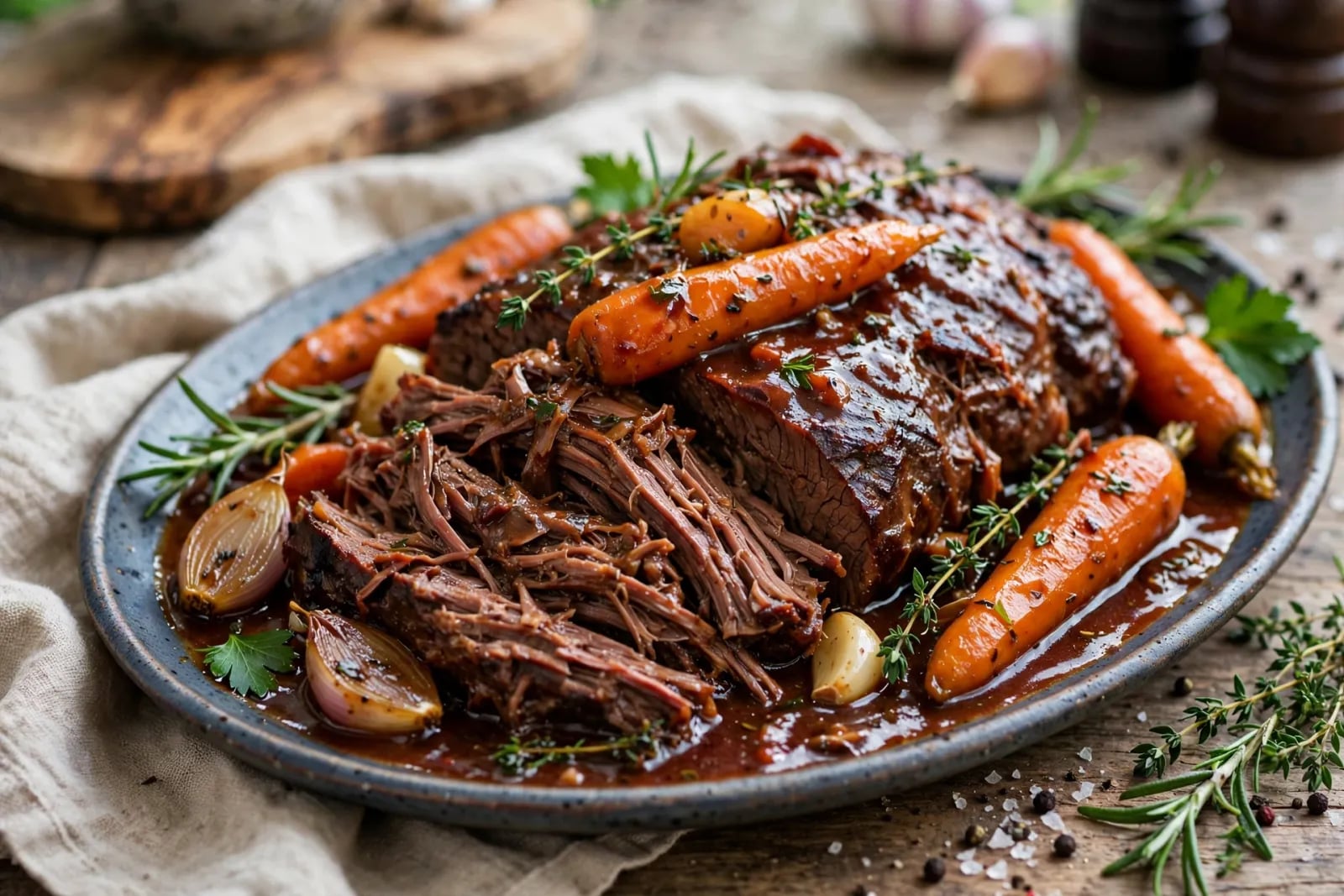
This slow braised pot roast turns a humble chuck roast into a fall apart tender centerpiece. Red wine, garlic, and herbs build a deep, glossy sauce as it cooks low and slow, and the vegetables soak up all that flavor. It is the kind of dinner that makes the whole house smell wonderful.
 Dinner
This Red Wine Braised Pot Roast Recipe is slow food at its most rewarding: a well marbled chuck roast, browned until deeply golden, then braised low and slow in red wine, stock, garlic, and herbs until it yields to the slightest pressure from a fork. The sauce turns glossy and rich, the vegetables turn silky, and the whole pot tastes like it simmered all day, because it nearly did.
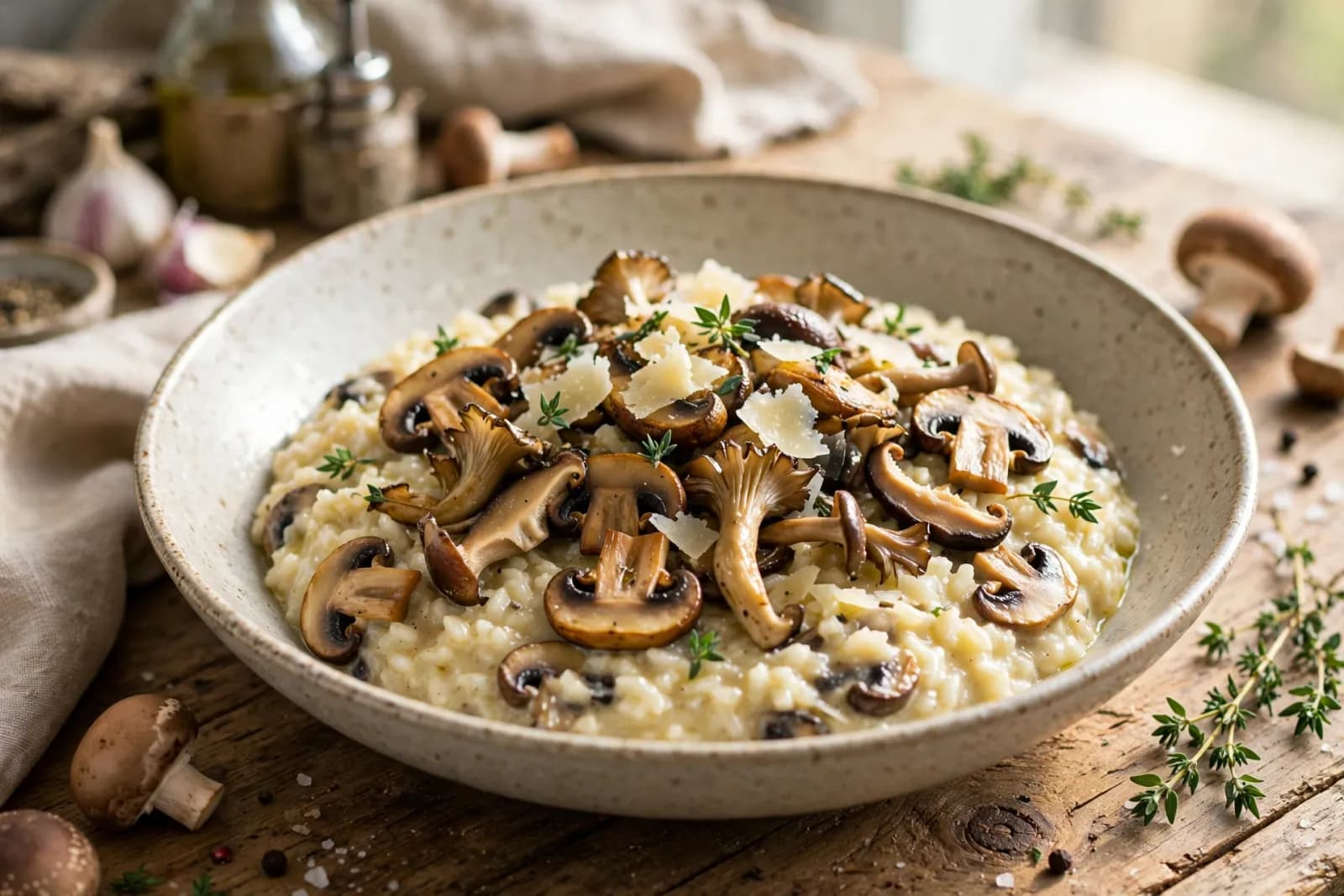
For more slow cooked comfort food, try our Mushroom Risotto, our Garlic Butter Steak Bites and Potatoes and our Beef Stew.
What Makes This Red Wine Braised Pot Roast So Good
Pot roast succeeds on patience, not fancy technique. Chuck roast is full of connective tissue, and that tissue is the secret: given low heat and enough time, it melts into gelatin, which gives the meat its tender, almost buttery texture and gives the sauce its body. Rushing the process with high heat only tightens the meat and leaves it tough, which is why this recipe protects its slow braise.
Red wine earns its place in the pot for more than romance. It adds acidity that balances the richness of the beef, and as it reduces it leaves behind deep, fruity, savory notes that stock alone cannot create. Combined with tomato paste, garlic, and woody herbs, it builds a sauce that tastes layered and complete, the kind you want to spoon over everything on the plate.
The Key Ingredients
The list is short, but quality matters at every step.
The Beef
Chuck roast is the classic choice for a reason. Its marbling and connective tissue turn tender with braising, while leaner cuts dry out over a long cook. Choose a roast of about 3 to 4 pounds with good marbling, and tie it if it is loose so it cooks evenly and slices neatly.
The Red Wine
Use a dry red wine you would happily drink, such as a Côtes du Rhône, Merlot, or Chianti. Avoid anything labeled cooking wine, which is salty and flat, and avoid very sweet reds, which will push the sauce in the wrong direction. One cup in the pot is plenty, and the rest can go to the cook.
The Aromatics and Vegetables
Onion, carrot, celery, and garlic form the savory base, while tomato paste adds depth and color. Carrots and potatoes added to the pot turn into the side dish as they braise, soaking up wine and beef flavor until they are silky and rich.
How to Braise Pot Roast Properly
The braise is simple, but a few habits make all the difference.
- Brown deeply, without rushing: sear the roast on all sides until truly dark golden, since that color is flavor that ends up in the sauce.
- Deglaze every browned bit: pour in the wine and scrape the bottom of the pot well, because those browned bits are the foundation of a great sauce.
- Keep the liquid low and slow: the liquid should come about halfway up the roast, and the oven should stay gentle, so the meat braises rather than boils.
- Turn once, halfway through: turning the roast once keeps the cooking even and lets both sides spend time in the sauce.
- Rest in the sauce: let the roast rest in its braising liquid for 20 minutes before slicing, so it stays moist and flavorful.
Mistakes to Avoid
Boiling Instead of Braising
A rolling boil tightens meat fibers and squeezes out moisture, leaving pot roast dry even in liquid. Keep the oven at 325 degrees F and look for the gentlest of simmers, with only occasional bubbles breaking the surface.
Skipping the Sear
Putting pale, unbrowned meat straight into liquid gives a gray, one dimensional result. The sear builds the deep savory flavor that makes the finished sauce taste like it came from a restaurant kitchen.
Slicing Too Soon
Cutting a roast the moment it leaves the oven loses juices fast. Resting in the sauce lets the meat relax and reabsorb moisture, so slices stay tender instead of drying on the plate.
What to Serve with Red Wine Braised Pot Roast
The sauce is too good to waste, so serve something that can catch it. Good partners include:
- Buttery mashed potatoes, the classic bed for braised beef and sauce
- Crusty bread or egg noodles, for soaking up every last spoonful
- Simple green beans or a green salad, for freshness against the richness
Make It Your Own
This pot is an easy place to play. Add mushrooms in the last hour for earthiness, swap parsnips for some of the carrots for a sweeter vegetable note, or stir in a spoonful of Dijon mustard at the end for gentle sharpness. A handful of pearl onions added with the carrots turns the pot into something a little more elegant, and a splash of balsamic vinegar in the finished sauce brightens the whole dish. Leftovers make superb sandwiches on crusty rolls with a spoonful of sauce.
Make This Red Wine Braised Pot Roast Today
Some dinners are worth the wait, and this is one of them. Brown it well, pour in the wine, and let the oven do the slow work while the house fills with the smell of a proper Sunday dinner. Browse more of our Dinner recipes for more comforting meals worth gathering around.
Recipe card
Red Wine Braised Pot Roast Recipe
- Prep
- 20 mins
- Cook
- 3 hrs
- Total
- 3 hrs 20 mins
- Serves
- 6
- Course
- Dinner
- Cuisine
- American
- Calories
- 580 kcal
Ingredients
0/14 ready · tap to tick off
Equipment
- Dutch oven
- tongs
- cutting board
- sharp knife
Method
Tap a step when it’s done.
Nutrition
580
Calories
42
Protein
22
Carbs
32
Total Fat
3
Fibre
640
Sodium
Notes
- Chuck roast is essential: lean cuts dry out over a long braise.
- Use a dry red wine you would drink, never cooking wine.
- If the sauce is thin at the end, simmer it uncovered on the stove for 10 minutes to reduce.
- Leftovers keep in the fridge for up to 4 days and taste even better the next day.
- This roast freezes well in its sauce for up to 3 months.
Tips for success
- Pat the roast dry before searing for the deepest browning.
- Sear in a hot pot and do not move the meat until a crust forms.
- Scrape up every browned bit when you add the wine: that is pure flavor.
- Keep the braise at a gentle simmer, never a hard boil.
- Turn the roast once halfway through for even cooking.
- Rest the meat in the sauce before slicing to keep it juicy.